
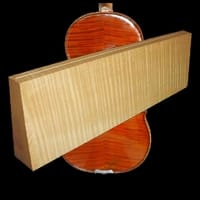
The craftsmanship of a finely tuned violin extends far beyond the musician’s skill, reaching into the very materials that constitute its body. Among these, the choice of wood plays a pivotal role in determining the instrument’s acoustical properties. The selection of tonewood can significantly influence the resonance, warmth, and clarity of sound?a fact well recognized by luthiers and musicians alike. For those seeking to delve into the art of violin making, understanding the characteristics of various wood types is essential. Let’s explore the most revered wood materials used in crafting violins and their impact on the instrument’s sound quality.
The Role of Tonewood in Violin Making
In the world of violin making, ‘tonewood’ refers to the specific woods selected for their ability to enhance an instrument’s musical qualities. Each type of tonewood contributes distinct characteristics to the violin’s sound, making the selection process critical.
Types of Tonewood
- Spruce: Often used for the violin’s top, spruce is prized for its lightweight and strong qualities. Its fine grain allows for a vibrant sound and excellent resonance.
- Maple: Typically used for the back, sides, and neck of the violin, maple contributes to the instrument’s aesthetic appeal and provides a clear, bright tone.
- Ebony: Known for its hardness and durability, ebony is commonly used for fingerboards and fittings, offering a smooth playing surface and excellent wear resistance.
- Willow and Poplar: Occasionally used for internal blocks and linings, these woods are softer and contribute to the overall flexibility and acoustic properties of the violin.
Spruce: The Heart of Sound
Spruce stands out as a cornerstone in violin construction due to its unique combination of lightness and strength. This wood is primarily used for the soundboard, where its fine grain structure allows for optimal sound projection. The choice of spruce can vary depending on the desired sound characteristics, with varieties like Sitka and Englemann spruce offering subtle differences in tone. Discover expert strategies here to select the perfect spruce for your needs.
Maple: The Backbone of the Violin
Maple is integral to the violin’s structural integrity and visual appeal. The wood’s hardness lends a bright, articulate sound, crucial for the back, ribs, and neck. The flame pattern often found in maple adds a visual elegance, making each violin unique. Learn about our tailored solutions here for selecting the right maple to enhance both sound and aesthetics.
Flamed vs. Plain Maple
While flamed maple is highly sought after for its stunning appearance, plain maple can also produce exceptional instruments. The choice between these depends on the desired aesthetic and tonal qualities. Explore advanced guides and tips here to understand how these variations impact sound.
Ebony: Durability and Functionality
Ebony is the preferred choice for fingerboards due to its dense composition, providing a smooth, durable surface that withstands the wear of constant playing. Its influence on sound is minimal, but its role in playability is crucial. Find out more about this approach here to ensure your instrument is crafted with the finest materials.
Conclusion
The selection of wood in violin making is both an art and a science, requiring a deep understanding of how each type of wood affects sound and playability. By choosing the right combination of spruce, maple, and ebony, luthiers can create instruments that not only look exquisite but also produce a superior sound. Whether you’re crafting a new violin or restoring an old one, the knowledge of tonewood is indispensable. For those eager to delve deeper into the art of selecting the perfect materials, explore advanced guides and tips here.
